Cart
0
You may also like


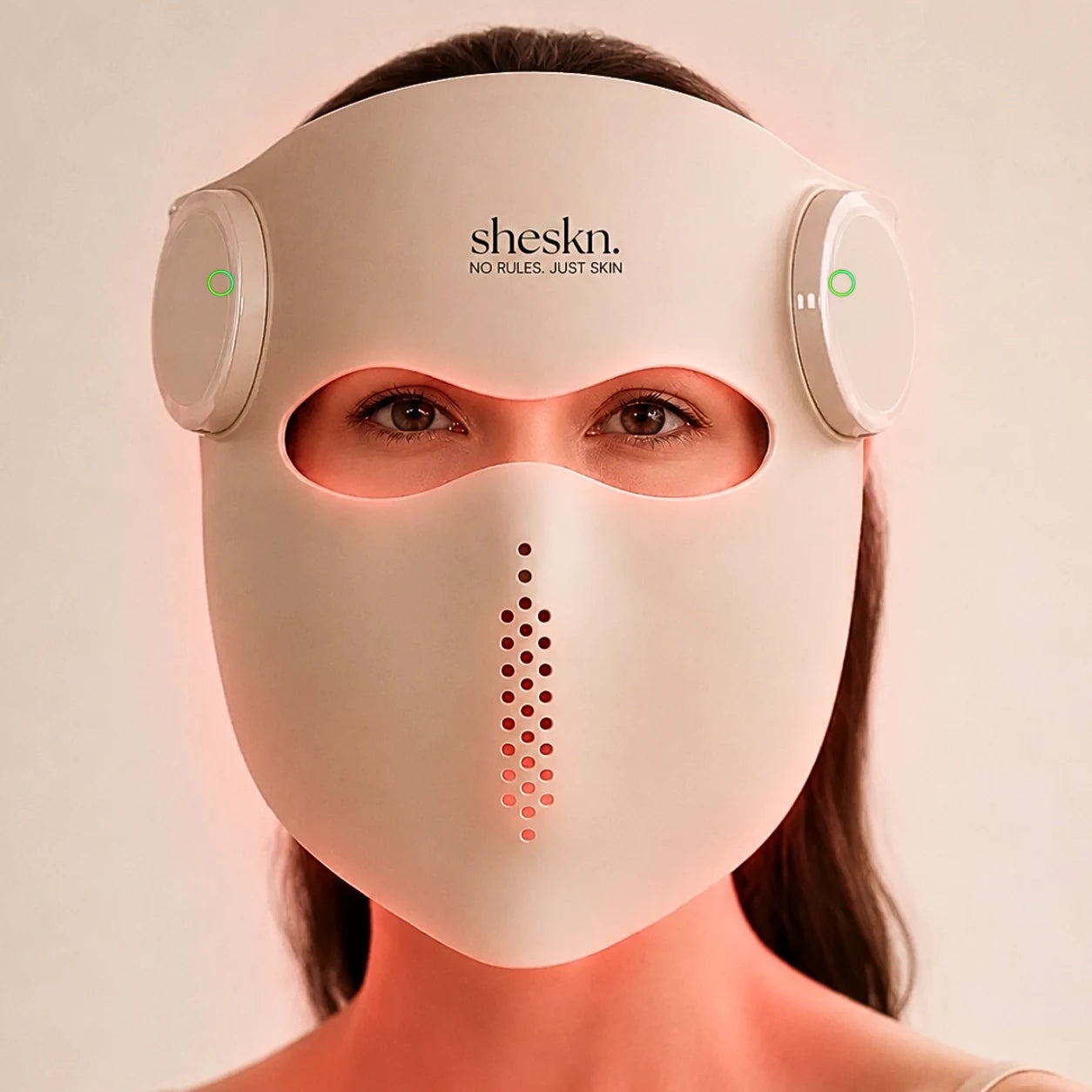
An LED light therapy mask is an at-home skincare device that uses specific wavelengths of light. It sits comfortably across the face and delivers LED light directly to the skin. Treatments are short, hands-free and easy to add to a regular skincare routine.
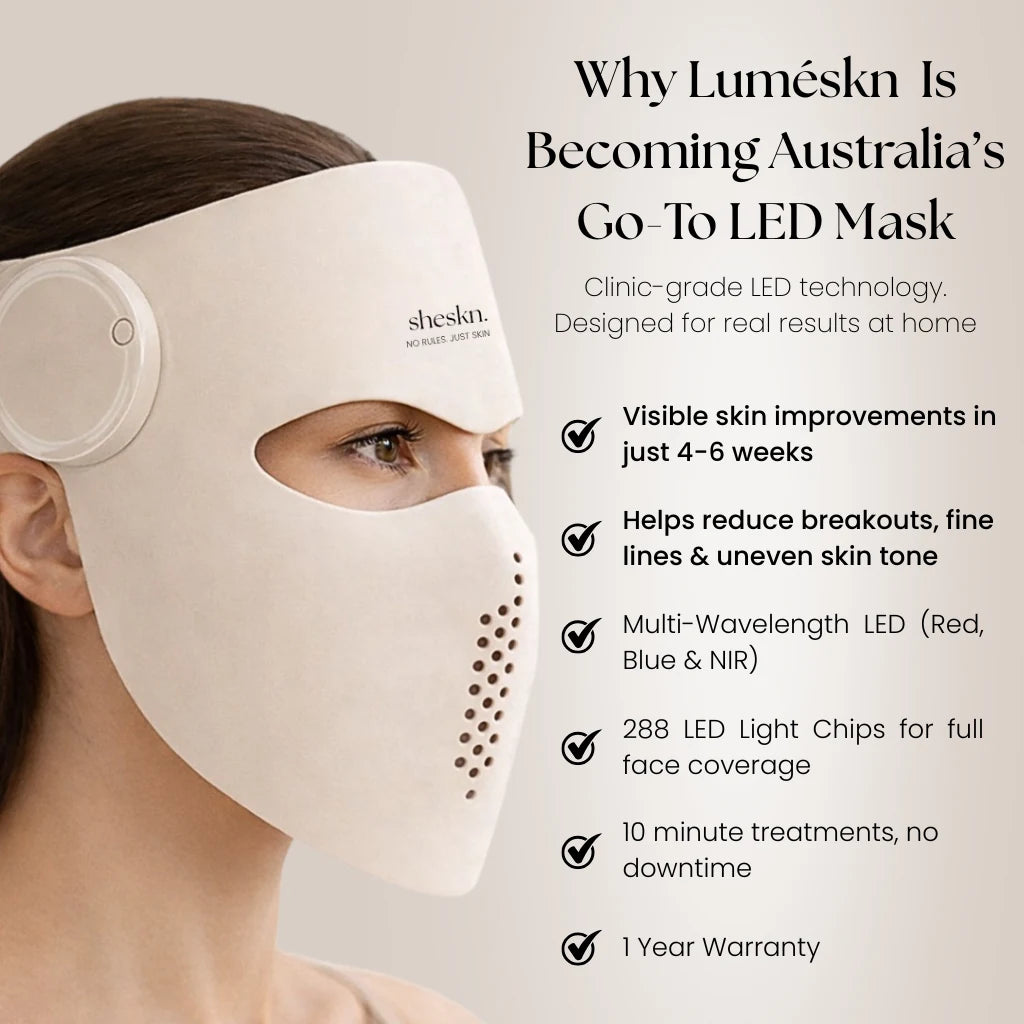
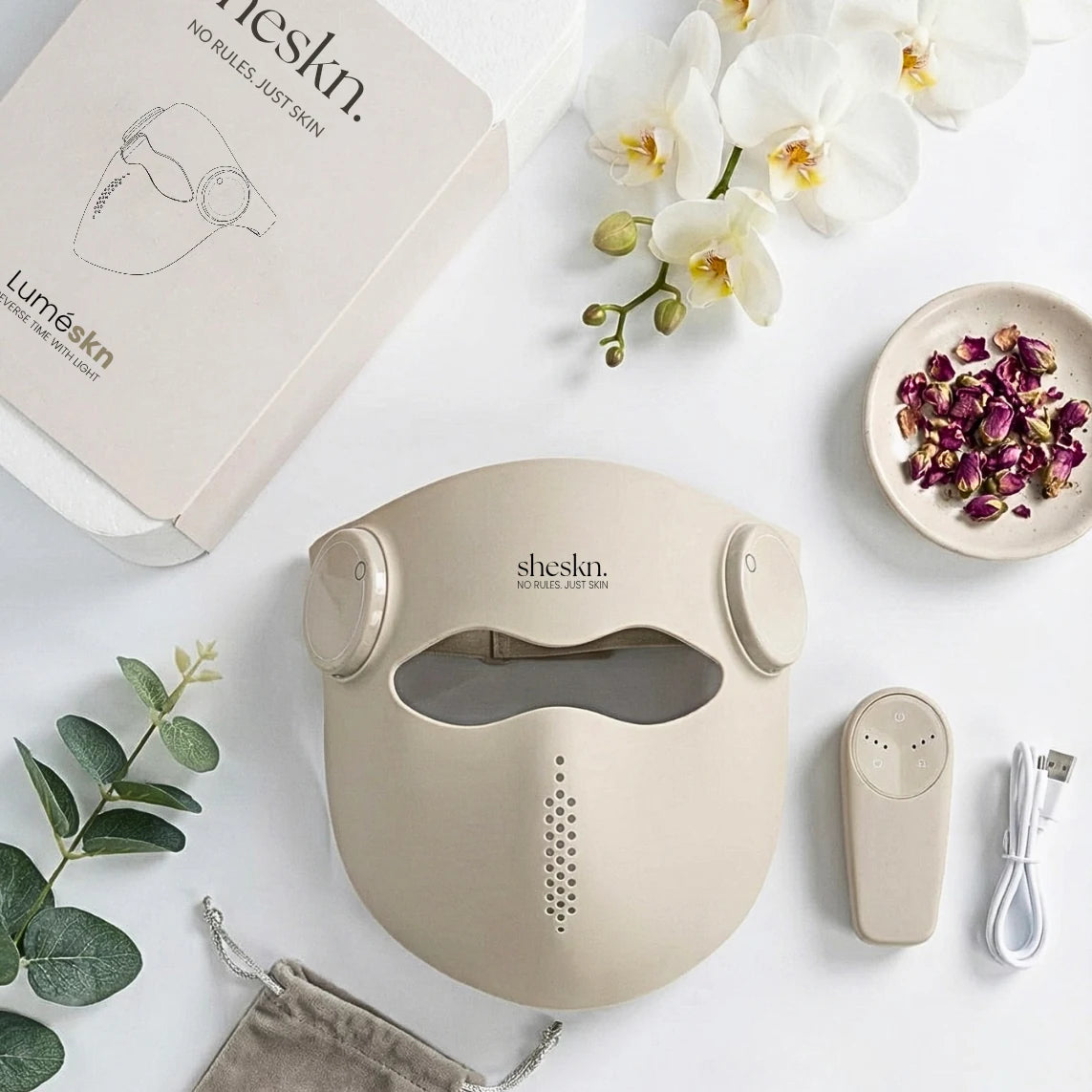
Not every LED mask is the same. Wavelengths, LED coverage, fit and treatment times can vary between devices. The Sheskn Luméskn LED Face Mask combines 630nm red light, 460nm blue light and 850nm near-infrared light. It also features 288 LED chips in a flexible, wireless silicone design.
In this guide, we'll explain how an LED light therapy mask works, what the different wavelengths do and how to use one at home. We'll also cover what to look for when choosing an LED mask in Australia.
LED light therapy uses specific wavelengths of light as part of a non-invasive skincare routine. Unlike treatments that use heat, needles or abrasion, an LED light therapy mask delivers light through LEDs positioned across the face.
Different wavelengths are used for different skincare goals. This is why it's worth looking beyond the number of colours or modes a device advertises. Instead, check the actual wavelengths the mask provides.
Luméskn combines 630nm red light, 460nm blue light and 850nm near-infrared light in one at-home device. You can select the treatment mode that best suits your skincare routine.
Not all LED light is the same. The wavelength, measured in nanometres (nm), determines the type of light being delivered. Rather than choosing an LED mask based purely on the number of colours advertised, it's worth checking the actual wavelengths listed in the device specifications.
Red light (630nm) is commonly used in LED skincare routines focused on the visible signs of ageing and supporting a smoother, more refreshed-looking complexion. It's one of the most widely recognised wavelengths used in at-home LED light therapy.
Blue light (460nm) is commonly incorporated into skincare routines for blemish and breakout-prone skin. This makes it a useful option for people whose skincare priorities differ from those primarily using red light.
Near-infrared light (850nm) sits beyond the visible spectrum, which means you cannot see near-infrared light in the same way you can see red or blue light. It is commonly paired with red light in LED skincare devices and is particularly popular in routines focused on skin rejuvenation.
Luméskn brings all three wavelengths together in one device, so you can choose between red, blue and near-infrared LED light therapy depending on your skincare routine and goals.
Using an LED light therapy mask should be one of the simpler steps in your skincare routine. Start with clean, dry skin and position the mask comfortably over your face. Select the appropriate light mode and follow the treatment time recommended for your device.
Luméskn is designed for 10–15 minute treatments and features a flexible silicone design that sits comfortably across the face. Because the mask is wireless and rechargeable, you're not tethered to a power point during your session, making it easier to incorporate LED light therapy into your regular routine.
Once your LED session is complete, remove the mask and continue with the rest of your skincare. This is a good time to apply your hydrating products, serums and moisturiser. If you're using a hydrogel face mask as part of the same routine, use your LED treatment first and apply the hydrogel mask afterwards.
How often you should use an LED light therapy mask depends on the specific device, its wavelengths and the manufacturer's instructions. There isn't one universal schedule that applies to every LED mask, which is why it's important to follow the guidance provided with your device rather than assuming that longer or more frequent sessions will deliver better results.
Consistency is key when incorporating LED light therapy into your skincare routine. Luméskn is designed with convenient 10–15 minute treatment sessions, making it easier to incorporate regular LED treatments into your week. Always follow the recommended usage instructions and avoid extending treatment times beyond the guidance provided with your device.
In Australia, therapeutic goods are regulated by the Therapeutic Goods Administration (TGA). When researching an LED device, you may see references to the Australian Register of Therapeutic Goods (ARTG), which is the public register of therapeutic goods that can lawfully be supplied in Australia, subject to applicable requirements.
Sheskn's Luméskn LED Face Mask is included in the ARTG as a Class IIa medical device, ARTG 510468. This gives Australian shoppers a specific registration they can verify when researching the device.
It's important not to treat ARTG inclusion as a guarantee that every person will achieve a particular skincare result. When comparing LED masks, consider regulatory status alongside the device's wavelengths, specifications, instructions, safety information, warranty and suitability for your individual skincare needs.
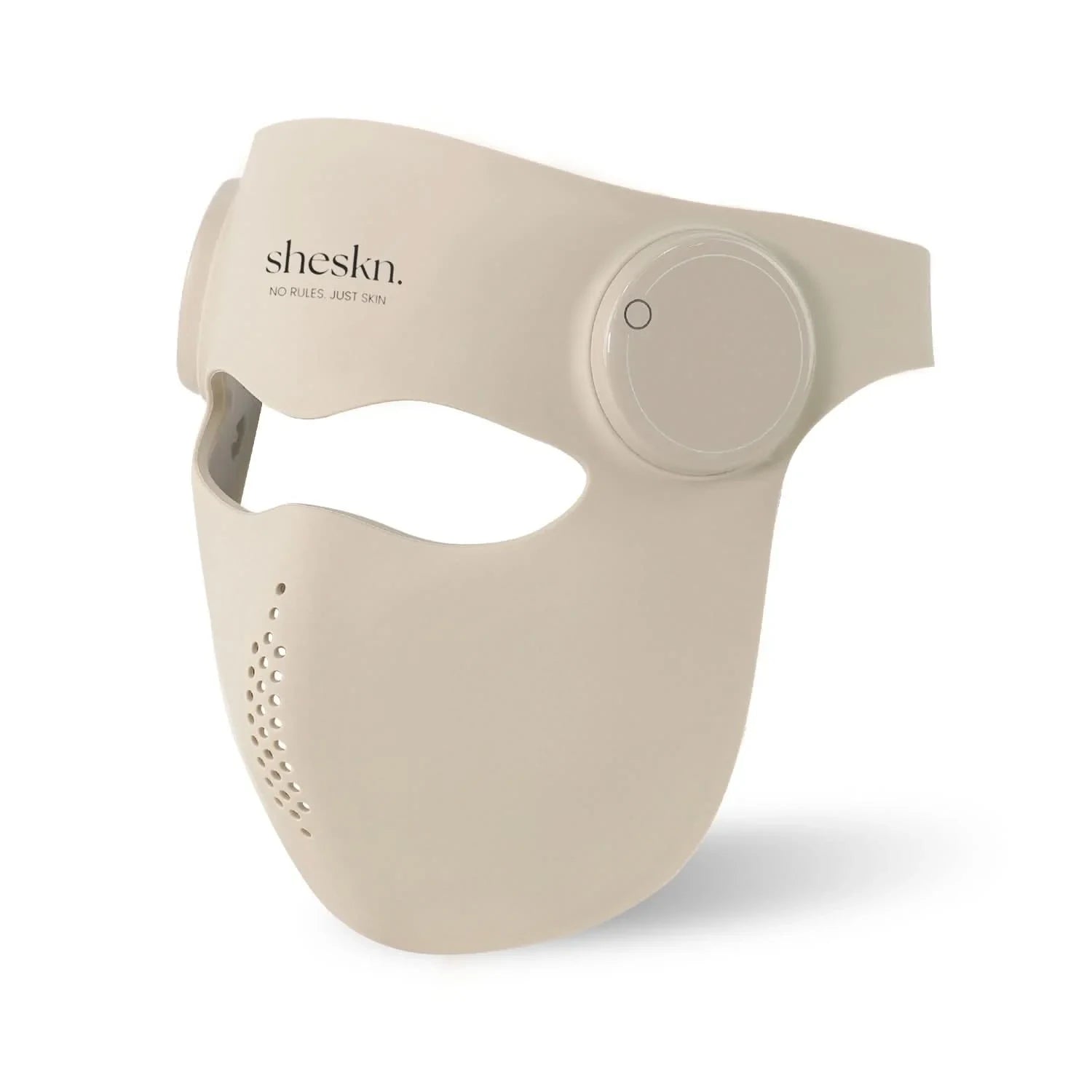
When comparing LED masks, don't judge a device by the number of colours or modes alone. Consider the specifications that will actually affect how easily the device fits into your skincare routine:
Wavelengths: Check the actual wavelengths measured in nanometres (nm), rather than relying only on colour names. Luméskn uses 630nm red, 460nm blue and 850nm near-infrared light.
LED coverage: Look at how the LEDs are distributed across the mask and whether the design provides coverage across the face. Luméskn features 288 LED chips.
Fit and comfort: A comfortable mask is much easier to use consistently. Flexible silicone can contour to the face more comfortably than a rigid design.
Treatment time: Consider whether the recommended session length realistically fits your routine. Luméskn treatments take approximately 10–15 minutes.
Wireless design: A rechargeable, wireless mask gives you more freedom to move around during your treatment rather than remaining connected to a power source.
Instructions and support: Look for clear usage, care and safety information, as well as accessible customer support.
Warranty: Check what protection is provided after purchase. Luméskn includes a 12-month warranty.
Australian regulatory status: If regulatory status is important to you, verify the ARTG details rather than relying solely on marketing terminology. Luméskn is included in the ARTG as a Class IIa medical device, ARTG 510468.
An LED light therapy mask works best as part of a consistent skincare routine. Start by cleansing your skin and making sure your face is clean and dry before beginning your LED treatment. Use your mask for the recommended treatment time, then continue with the rest of your skincare once your session is complete.
After LED light therapy, you can apply your usual serums, eye care and moisturiser. If you're planning a more indulgent skincare routine, you can also follow your LED session with a hydrating treatment such as the Sheskn MatchaSkn Hydrogel Face Mask, which combines matcha with a multi-weight hyaluronic acid complex to help hydrate, calm and visibly refresh the skin.
The key is keeping your routine realistic. A convenient 10–15 minute LED treatment is much easier to maintain consistently than a complicated routine you rarely have time to complete.
At-home LED devices should always be used according to the manufacturer's instructions. Follow the recommended treatment time and frequency for your particular device rather than increasing either in an attempt to achieve faster results. Keep your mask clean according to its care instructions and discontinue use if you experience unexpected discomfort or irritation.
LED light therapy may not be suitable for everyone. If you take medications that can cause photosensitivity, have a diagnosed skin or eye condition, use prescription skincare that may increase light sensitivity, or are unsure whether LED light therapy is appropriate for you, speak with your doctor or dermatologist before use.
Before using any LED light therapy mask, read the device's complete instructions, warnings and contraindications.
LED light therapy is best approached as a consistent skincare routine rather than a one-off treatment. Individual experiences can vary, and factors such as the device being used, wavelength, treatment frequency, skin type and skincare goals can all influence the experience.
Rather than looking for overnight changes, follow the recommended treatment schedule and assess your skin over time. Taking photographs in similar lighting can be a useful way to track subtle changes that may be difficult to notice from one day to the next.
It's also worth choosing an LED mask based on your primary skincare goals rather than simply choosing the device with the most colours or modes. Understanding the wavelengths, specifications, regulatory status and recommended use gives you a much better basis for comparing LED light therapy masks.
Discover the Sheskn Luméskn LED Face Mask, featuring 630nm red light, 460nm blue light and 850nm near-infrared light, with 288 LED chips and a flexible wireless design for easy at-home treatments.
Shop the Luméskn LED Face Mask →LED light therapy masks use specific wavelengths of light as part of a non-invasive skincare routine. Research into photobiomodulation and LED light therapy suggests that certain wavelengths can have beneficial effects on the skin, although results vary depending on the device, wavelength, treatment schedule and individual skin.
Consistency matters. An LED light therapy mask should be used according to the manufacturer's instructions rather than as a one-off treatment.
The best at-home LED mask depends on your skincare goals, budget and the specifications you're looking for. Compare the actual wavelengths, LED coverage, fit, treatment time, warranty and Australian regulatory status rather than choosing a device based only on the number of colours or modes.
Luméskn uses 630nm red, 460nm blue and 850nm near-infrared light, with 288 LED chips in a flexible, wireless design. It is included in the ARTG as a Class IIa medical device, ARTG 510468.
LED light therapy is popular because it is non-invasive and can be incorporated into an existing skincare routine. Different wavelengths are used for different skincare goals. Red light is commonly associated with skin rejuvenation, while blue light is commonly used in routines for blemish and breakout-prone skin.
Not every device or treatment is suitable for everyone. Always follow the manufacturer's instructions and check the warnings and contraindications before use.
How often you should use an LED mask depends on the specific device. Treatment schedules can vary according to the wavelengths, output and design, so always follow the manufacturer's recommended frequency.
Luméskn treatments take approximately 10–15 minutes. Consistent use according to the device instructions is more important than extending individual sessions in an attempt to achieve faster results.


