Cart
0
You may also like


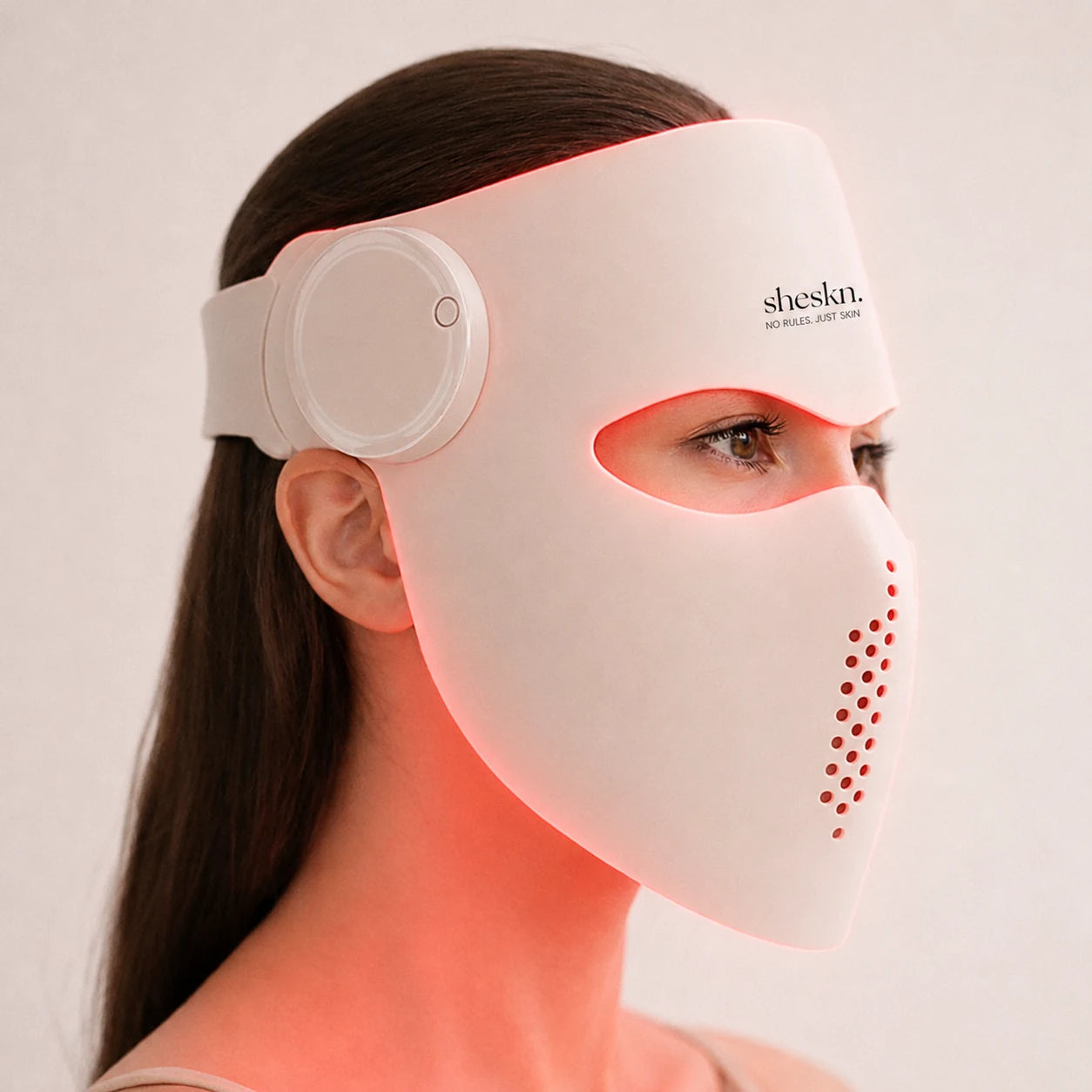
The best at-home LED face masks in Australia aren't necessarily the ones with the biggest LED count, the highest price or the most treatment modes. LED face masks have moved from clinic treatment rooms into Australian bathroom cabinets, and the range available in 2026 is wider than ever.
That range is also harder to read than it should be. Two masks can look identical in product photos, claim similar benefits, and contain completely different hardware underneath. Published Australian comparisons show just how much specifications, features and pricing can vary between devices. That makes checking the hardware more useful than checking the sale banner.
Published Australian comparisons note that at-home LED devices are one of the few skincare categories where the local price gap against overseas listings is large and easy to misread. That makes checking specifications more useful than checking the sale banner.
This comparison covers what the light actually does, which specifications separate a good mask from an expensive night light, and where the main categories of device sit relative to each other.
An LED mask delivers specific wavelengths of light to the skin. Coverage of the category, including Vogue Australia's roundup of LED face masks, describes the benefits as helping reduce fine lines and wrinkles, improve skin firmness and accelerate healing. That is the realistic expectation: gradual, cumulative improvement with consistent use, not a visible transformation after one session.
Two practical points follow. A mask only earns its place if you will actually wear it for the full session as often as the instructions recommend, so comfort and fit matter as much as output. And because results build over time, a device you enjoy using will outperform a stronger one that stays in its box.
Most LED masks on the Australian market use one, two or three wavelengths. Blue light is the one aimed at acne-prone skin. Red light is the workhorse for fine lines, firmness and overall tone. Near-infrared sits just beyond visible red and is used for deeper tissue and recovery. The Luméskn LED Face Mask combines all three in a single device, with the specific values below.
Light type |
Main use |
Luméskn wavelength |
|---|---|---|
Blue light |
Acne-prone skin |
460nm |
Red light |
Fine lines, firmness, tone |
630nm |
Near-infrared |
Deeper tissue, firmness support |
850nm |
If acne is your main concern, blue light matters. If fine lines and firmness are the priority, red and near-infrared do the heavy lifting. A combined device saves you from choosing.
Australian comparisons have flagged that local prices for the same LED device can sit well above the figure shown on a US listing, and that the difference is easy to misread. Currency conversion, freight, local taxes and the cost of meeting Australian regulatory requirements all feed into the local figure. Prices also move, and reviews published at different times have quoted different amounts for the same named mask. Treat any figure you read as a starting point, and confirm the current price and inclusions directly with the seller before you buy.
ARTG listing. Devices intended to treat a condition such as wrinkles or acne are regulated as medical devices in Australia. A listing number can be verified, and a claim without one is marketing, not registration.
Wavelengths in nanometres. "Red" and "blue" on their own tell you nothing about what the device is actually emitting.
How the LED count is calculated. Some listings quote bulbs, some quote individual chips, and some multiply chips by bulbs. Ask which number is being counted.
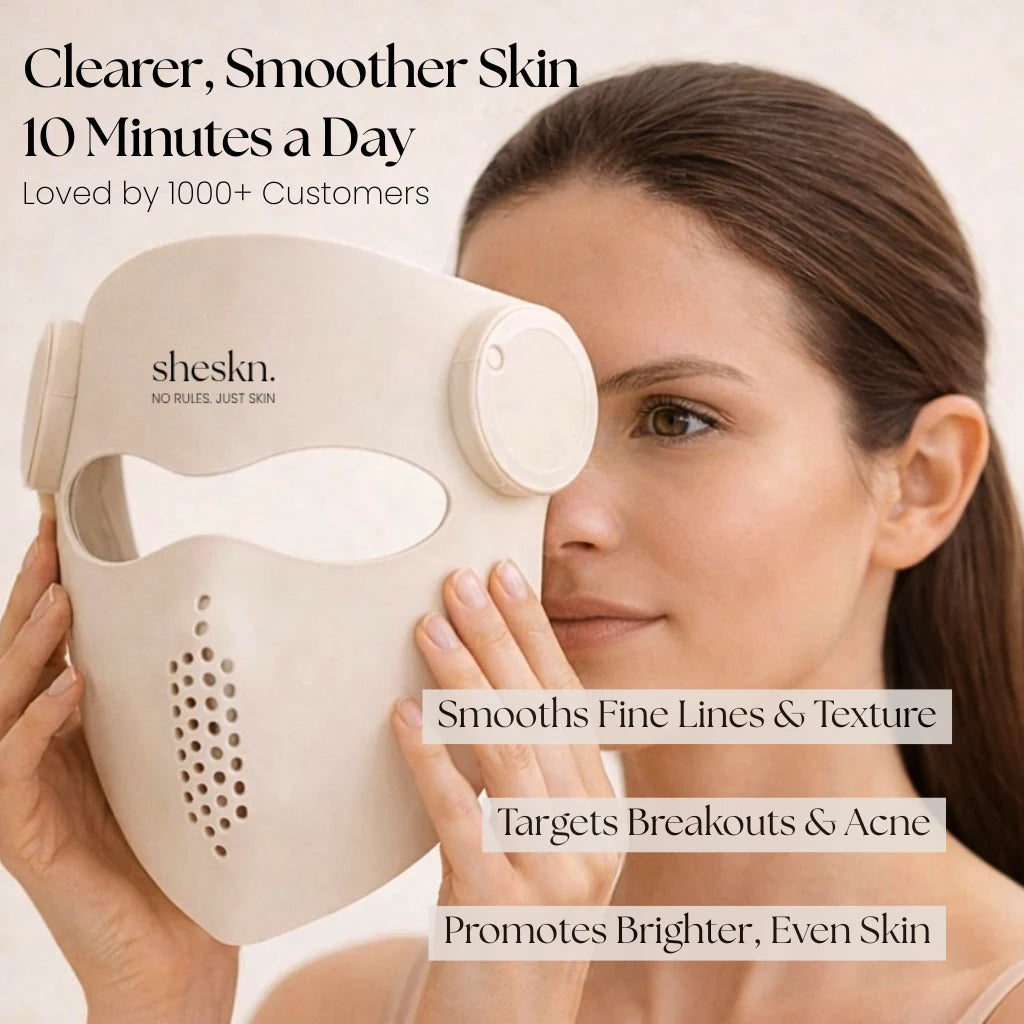
Fit and coverage. A mask that sits away from the skin or leaves gaps around the nose, jaw and under-eye area delivers less light where you need it.
Session length and power source. Shorter sessions are easier to stick with. Wireless masks remove the cable, which matters if you want to move around during treatment.
Replacement parts. Eye pads, straps and cables should still be available a year after purchase.
Warranty and returns. Get the Australian warranty terms and the returns window in writing before ordering.
Format matters more than most buyers expect, because it determines how often the device actually gets used.
Format |
Who it suits |
Trade-offs |
|---|---|---|
Flexible silicone LED mask |
Most people, curved face shapes, hands-free sessions |
Light delivery depends on how closely it sits to the skin |
Rigid shell LED mask |
Buyers who want a fixed distance from the light source |
Can feel heavy or enclosed, and may not suit smaller faces |
LED plus EMS eye device |
Under-eye puffiness, dark circles, fine lines |
Treats a small area only, and needs replacement hydrogel pads |
Hand-held LED wand |
Spot treating specific areas |
You have to hold and move it, so it is easy to skip |
When comparing the best at-home LED face masks in Australia, the most useful differences aren't necessarily the ones highlighted in advertising. Wavelengths, regulatory status, fit, treatment time and how the LEDs are configured tell you considerably more about what you're buying.
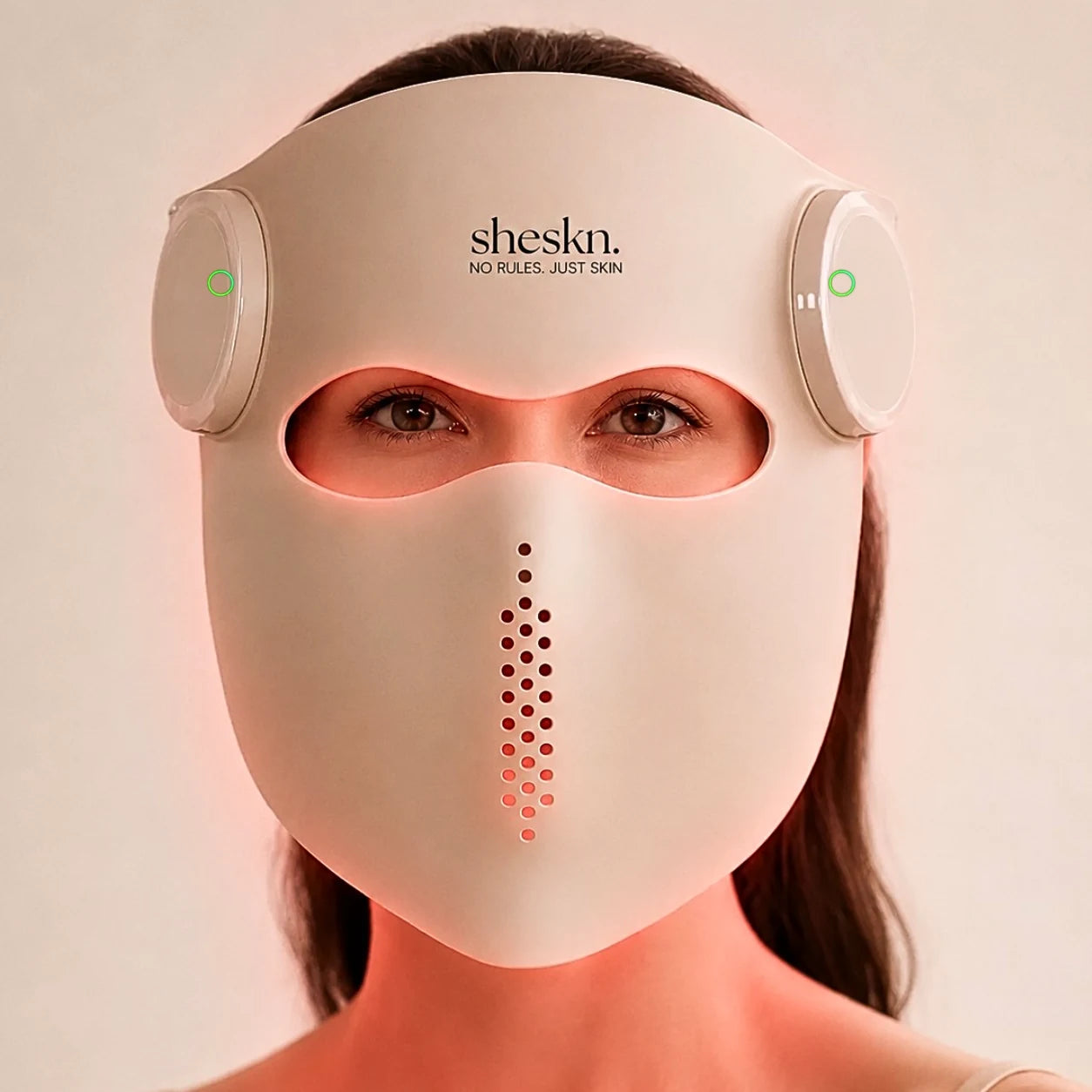
The Luméskn LED Face Mask addresses several checklist items directly. It is included in the ARTG (510468) as a Class IIa medical device and is designed for the treatment of wrinkles and mild to moderate acne, so the acne and anti-ageing functions sit in one product rather than two.
On hardware, it uses Blue 460nm, Red 630nm and Near-Infrared 850nm, with 72 bulbs at 4 chips each, giving 288 LED chips. The mask is wireless and made from flexible silicone, and sessions run for 10 to 15 minutes. That combination of a short session, no cord and a soft shell is what makes regular use realistic for most people.
For the under-eye area, Sheskn also makes Eye Therapy, a wireless 2-in-1 device combining 660nm red LED and EMS with 3 EMS intensity levels and a 10-minute timer. It is designed for concerns including the appearance of puffiness, dark circles and fine lines, and it uses reusable Sheskn Hydrogel Eye Pads, with each pair generally reusable 4 to 5 times. There is no vibration in the device.
Many masks are built around a single concern. Australian testing of LED masks for acne-prone skin has scored the Omnilux Contour Face and the CurrentBody Series 2 highly, which is useful context but not a personal recommendation. Those scores reflect one group of testers using specific devices over a set period.
Your own skin, your budget and your willingness to keep a routine decide more than a score out of ten. If you have both acne and fine lines to manage, a single device with blue, red and near-infrared output removes the need to buy twice and guess which one to use on a given day.
"Medical grade" with no ARTG number attached. Registration is public and searchable, so ask for the number.
Celebrity routine claims. Viral posts about which mask a particular celebrity uses are difficult to verify and should not influence a purchase decision.
Very high LED counts. Large numbers are easy to print and hard to check. Find out whether the figure refers to bulbs or chips.
Multi-mode marketing. Listings advertising seven modes and several hundred LEDs sound impressive, but two or three well-chosen wavelengths usually do more than seven overlapping ones.
Start with clean, dry skin. Follow the device instructions for session length and frequency, and resist the urge to extend a session to speed things up. If you use prescription actives or have a skin condition, check with a pharmacist or doctor before adding light therapy. Afterwards, apply moisturiser, and in the morning follow with sunscreen as normal.
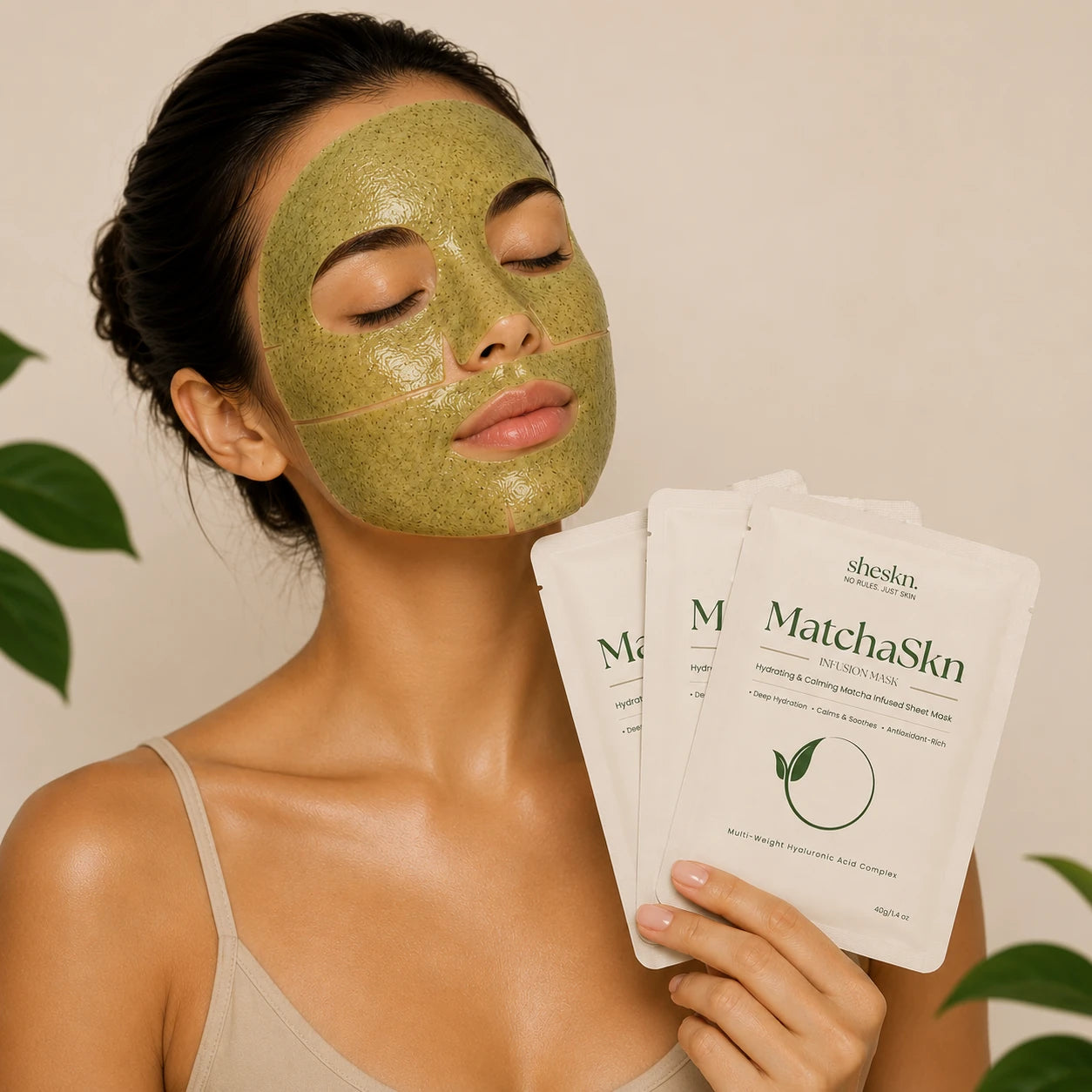
For a fuller at-home session, MatchaSkn is a hydrogel face mask with antioxidant-rich matcha green tea and five types of hyaluronic acid, designed to hydrate, calm, soften and visibly refresh dry, dull or dehydrated skin. The Lip Ritual is a separate three-step routine covering polish, veil and glaze. These are topical products rather than light devices, so they complement treatment instead of replacing it.
They can help with the concerns they are built for. Coverage of the category describes benefits including reduced fine lines and wrinkles, improved skin firmness and faster healing. Results are gradual and depend on consistent use, the wavelengths the device delivers, and how well it fits your face. A cheap mask with poor contact will underperform a well-fitted one at the same output.
Blue light is used for acne-prone skin and is the reason many devices include a blue setting. Red light is used for fine lines, firmness and general tone, and near-infrared light is used for deeper tissue support. Devices such as the Luméskn LED Face Mask combine all three wavelengths, while others offer only one or two.
Currency conversion, freight, local taxes and the cost of meeting Australian regulatory requirements all add to the local figure. Australian comparisons have noted that this category shows one of the larger visible price gaps, and that quoted prices shift between reviews. Always confirm the current Australian price and what it includes, such as warranty and support, with the seller.
A listing does not automatically make a device more effective, but it does mean the manufacturer has registered it with the Therapeutic Goods Administration and can make claims about treating a condition. The Luméskn LED Face Mask is listed in the ARTG as a Class IIa medical device. Devices sold purely as cosmetics are limited to general appearance claims, so check for a registration number.
Generally yes, applied at different steps. Use the mask on clean, dry skin, then follow with moisturiser and, in the morning, sunscreen. If you use prescription actives, acids or have a diagnosed skin condition, check with a pharmacist or doctor first. Follow the instructions supplied with your device rather than extending sessions or stacking treatments on the same day.


