Cart
0
You may also like



LED face masks can be a brilliant at-home skincare tool, but results depend on the details. Wavelengths, LED density, treatment time, and overall coverage vary widely between devices, and those differences matter.
How to read this article: We’re comparing objective specifications across popular LED masks, then explaining what those specs mean for real-world use. This guide is designed to help you make an informed decision based on measurable features, not hype.
LED light therapy uses specific wavelengths, measured in nanometers (nm), to support different skin goals. Each band of light penetrates to different depths and is commonly used for different concerns:
1) Wavelengths (nm)
Look for clearly stated wavelengths, not vague “red light” claims.
2) Light density and coverage
More evenly distributed light helps reduce under-treated areas and patchy exposure.
3) Session time and routine fit
Consistency is king. The best device is the one you’ll use regularly.
4) Comfort and fit
A comfortable mask is easier to stick with, which supports results over time.
| Feature | Luméskn | Dr Dennis Gross | CurrentBody | Omnilux |
|---|---|---|---|---|
| Total LED lights | 288 light chips | ~100 LEDs | 236 LEDs | 132 LEDs |
| Blue light | 460 nm | ~415 nm | — | — |
| Red light | 630 nm | 630 nm | 633 nm | 633 nm |
| Near Infrared | 850 nm | — | 830 nm | 830 nm |
Specifications based on publicly available manufacturer information at time of publication.
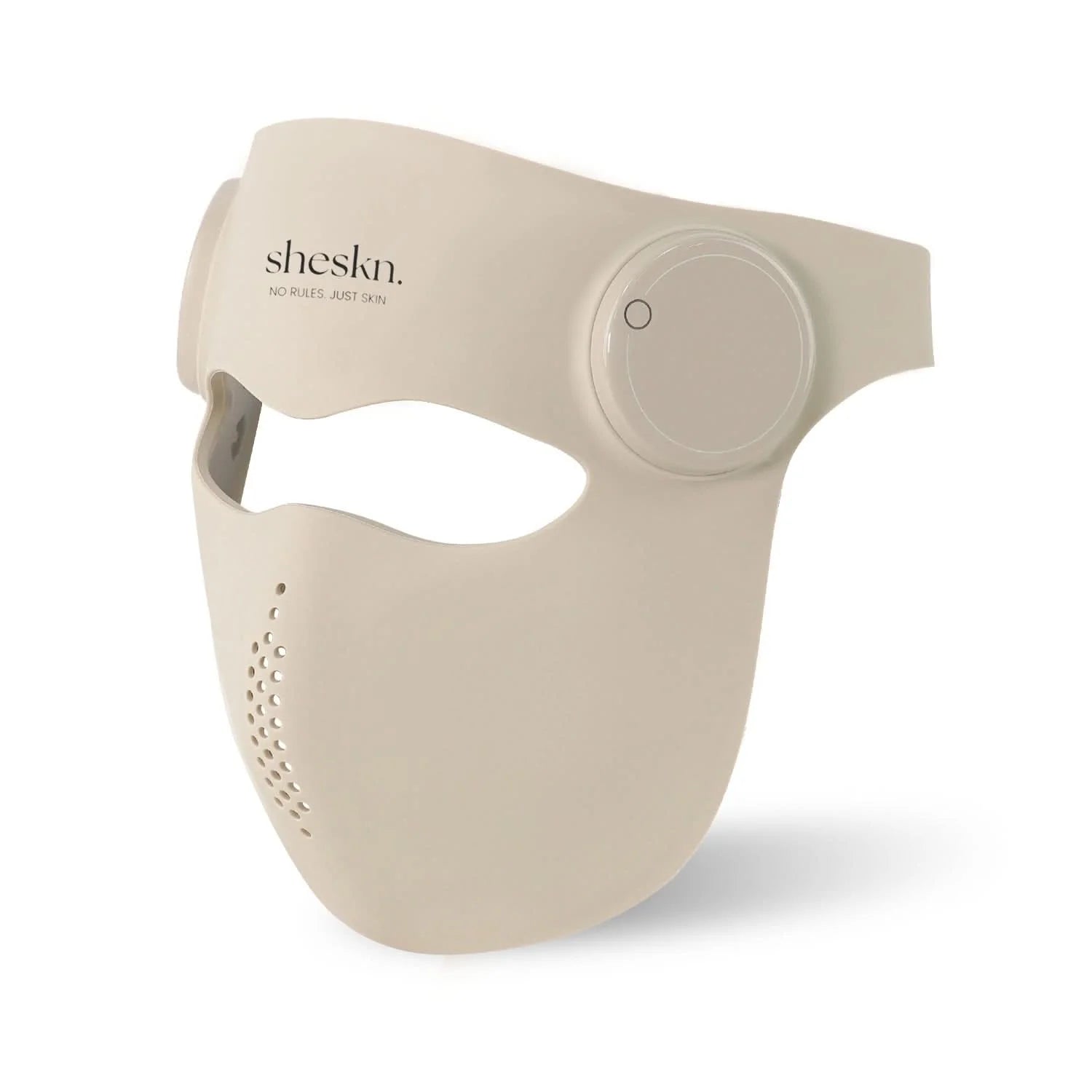
One Device. Multiple Skin Concerns: Not all LED masks are created equal. While many focus on “more colours,” Luméskn is built around what actually works — clinically relevant wavelengths: blue (460 nm) for acne, red (630 nm) for skin rejuvenation, and near-infrared (850 nm) to support deeper repair. With 288 LED chips ensuring even, full-face coverage, it’s designed to deliver results you can see — making it the clear choice for treating multiple skin concerns in one device.
Luméskn combines red (630nm), blue (460nm) and near-infrared (850nm) light with 288 LED light chips to support clearer, smoother and more radiant looking skin.
Shop Luméskn✓ TGA Approved • ✓ 1-Year Warranty • ✓ Free AU Shipping $99+